
January 31, 2026
When fans watch a boxing match, they usually focus on the punches, knockouts, and raised hands at the end. But what most people don’t see is the complex system working behind the scenes to make a boxing event successful.
From fighter registration to medical tests, from weigh-ins to referee briefings, every detail matters. At Riayath Boxing Promotion, we believe that understanding this process helps fighters, parents, and fans respect the sport even more.
This article takes you inside a boxing event, explaining everything that happens before, during, and after fight night — especially in the context of Pakistan.
1. Planning a Boxing Event
The first step is selecting a suitable venue. A boxing venue must:
- Have enough space for the ring
- Include changing rooms for fighters
- Allow seating for spectators
- Meet safety requirements
Event Date & Permissions:
- Choose a confirmed date
- Get approval from boxing authorities
- Inform officials and medical staff
Without official permission, fights cannot be recognized professionally.


2. Matchmaking – Creating Fair Fights
One of the most important behind-the-scenes tasks is matchmaking.
What Matchmakers Consider
- Fighter experience
- Weight division
- Age
- Record (wins & losses)
- Skill level
Fair matchmaking protects fighters and keeps the sport competitive. Mismatched fights are unsafe and damage boxing’s reputation.
At Riayath Boxing Promotion, fighter safety always comes first.
3. Fighter Registration & Documentation
Before fight week, fighters must submit:
- CNIC or identity proof
- Medical fitness documents
- Weight category confirmation
- Training background
Professional fighters also require:
- Registered promoters
- Sanctioned bout approval
This step ensures transparency and accountability.
4. Medical Checks – Fighter Safety First
Medical safety is non-negotiable in boxing.
- Blood pressure check
- Vision check
- Physical fitness assessment
- Injury inspection
Any fighter who fails medical clearance cannot compete, no matter how prepared they are.
This protects fighters from long-term health risks.
5. Weigh-In Day – More Than Just a Scale
The official weigh-in usually happens one day before the event.
- Confirms correct weight class
- Prevents unfair size advantage
- Builds hype for the event
Fighters must hit their agreed weight. Missing weight can:
- Cancel the fight
- Change fight terms
- Damage a fighter’s reputation
Weigh-ins are often open to media and fans.


6. Officials Briefing – Rules & Responsibilities
Before fight night, officials meet to review:
- Boxing rules
- Safety protocols
- Emergency procedures
- Fair judging standards
Their role is to ensure fair play and safety throughout the event.
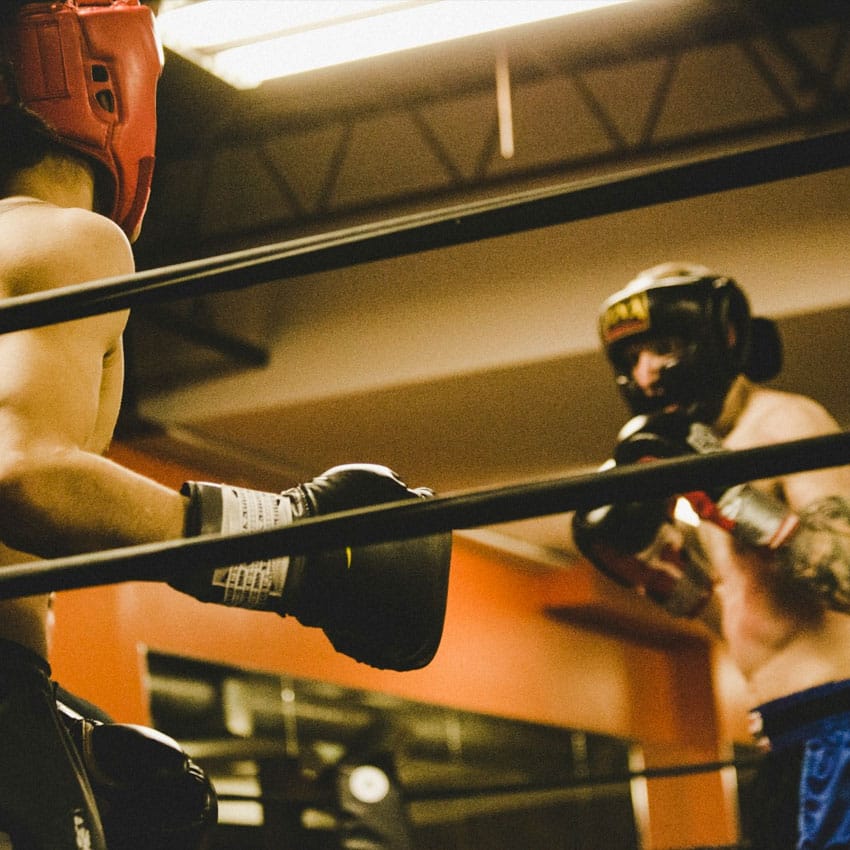
7. Fight Night Preparation
The boxing ring must:
- Be properly padded
- Have tight ropes
- Meet standard size regulations
- Gloves
- Hand wraps
- Mouthguards
- Boxing shoes
No illegal or damaged equipment is allowed.

Conclusion
A boxing event is not just about punches and trophies. It is a carefully organized operation involving planning, discipline, medical safety, and teamwork.
Understanding what happens behind the scenes helps fans appreciate the sport and helps fighters respect the responsibility that comes with stepping into the ring.
At Riayath Boxing Promotion, we are proud to contribute to professional, safe, and transparent boxing in Pakistan.